Satluj Controversy: Diljit Dosanjh’s Film Sparks Government Content Review
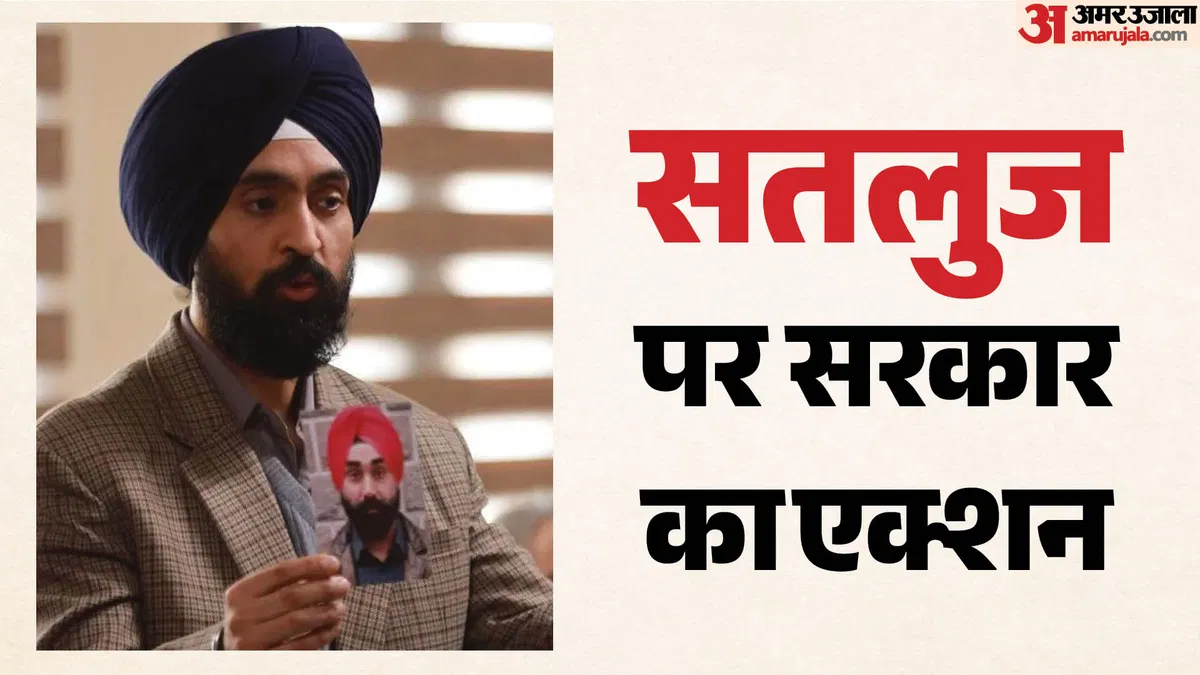
Satluj Controversy – Amid growing public discourse, the Indian government has taken a significant step by forming a committee to investigate the content of Diljit Dosanjh’s latest film, *Satluj*. The movie, which delves into the disappearance of a Punjab-based human rights activist, has ignited debates about freedom of expression and the role of censorship in shaping narratives around historical events. The Ministry of Information and Broadcasting (MIB) has announced the establishment of an Inter-Departmental Committee (IDC) to scrutinize the film’s portrayal of sensitive issues, marking a pivotal moment in the Satluj controversy.
Context of the Satluj Controversy
Released on an OTT platform, *Satluj* quickly became a topic of discussion due to its connection to the mysterious vanishing of Jaswant Singh Khaira, a prominent human rights activist in Punjab. Khaira’s work focused on uncovering the truth behind the unexplained deaths of thousands of individuals during the 1984–1994 period, a time marked by political turmoil and communal tensions. The film dramatizes his investigations, highlighting the unresolved questions surrounding his abduction in 1995 and subsequent disappearance. This has drawn attention to how cinematic storytelling can intertwine with real-life events, sparking concerns about its potential impact on public perception.
“The Ministry of Information and Broadcasting (MIB) has set up a high-level Inter-Departmental Committee (IDC) to examine the content of the Diljit Dosanjh-starrer *Satluj*, a film inspired by the disappearance of a Punjab-based human rights activist. The decision follows concerns about the film’s alignment with national security interests and its depiction of historical narratives. — ANI (@ANI) July 7, 2026”
Following its brief release, the film was swiftly removed from the platform within two days, with authorities citing security reasons as the primary justification. This action has raised questions about the government’s approach to content regulation, particularly in the context of the Satluj controversy. The film’s director, Hani Trehan, has defended its narrative, emphasizing the importance of bringing historical injustices to light through art. However, critics argue that the removal of *Satluj* sets a precedent for preemptive censorship, especially in politically charged topics.
Artistic Freedom vs. Government Oversight
The Satluj controversy has reignited conversations about the balance between artistic freedom and government oversight in Indian cinema. Diljit Dosanjh, known for his role in the 2022 film *Punjab95*, faced a three-year delay in its release due to similar scrutiny. This parallels the current situation with *Satluj*, as both films tackle events from Punjab’s turbulent past. The new committee’s formation underscores the government’s willingness to intervene in content that might be perceived as challenging the narrative of national unity or security.
As the Satluj controversy unfolds, the film’s creators and supporters are urging a more nuanced evaluation of its content. They highlight that the movie’s focus on Khaira’s work serves as a platform to discuss systemic issues and human rights violations, rather than outright criticism of the government. Meanwhile, the committee’s task is to determine whether the film’s portrayal of events meets the criteria for public interest or requires further adjustments. This process has become a focal point for analyzing how content regulations are applied in contemporary filmmaking.
The broader implications of the Satluj controversy extend beyond this single film. It reflects a growing trend of governments leveraging their influence to shape media content, particularly when it touches on historical events or regional identities. As the Indian film industry continues to explore sensitive topics, the formation of such a committee raises questions about the future of cinematic storytelling and its role in preserving or challenging official narratives. The outcome of this review could set a critical benchmark for similar projects in the years to come.