LDF: केरल विधानसभा में PM SHRI योजना पर हंगामा, विजयन ने पुलिस पर गंदा पानी इस्तेमाल करने का लगाया आरोप

LDF Accuses Police of Using Contaminated Water in PM SHRI Kerala Protest
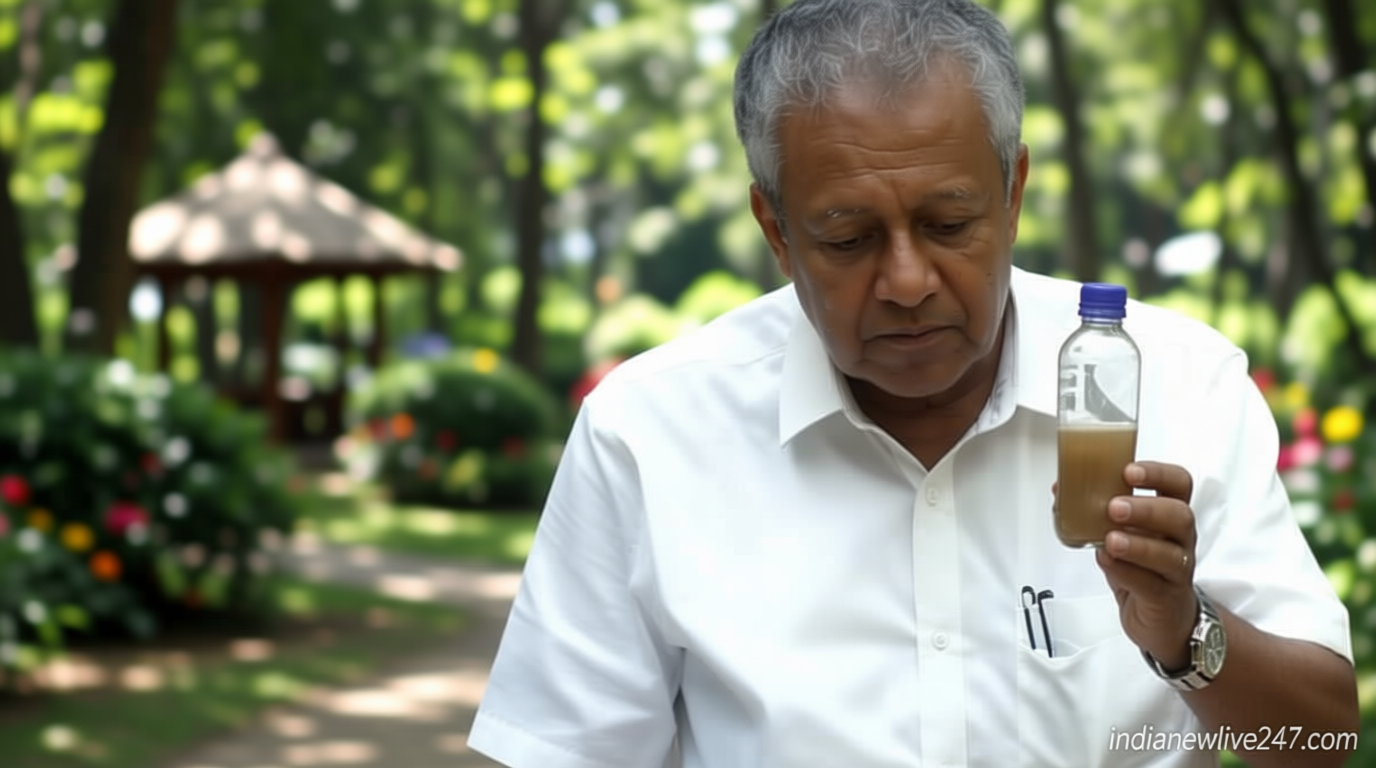
Indianewslive247.com – LDF – The ruling Left Democratic Front (LDF) in Kerala has raised concerns about the use of contaminated water by law enforcement during a protest against the Prime Minister’s Schools for Rising India (PM SHRI) initiative. Opposition leader Pinarayi Vijayan, a prominent figure in the LDF, alleged that the police employed water from unclean sources, such as canals or stagnant water bodies, to suppress demonstrators at the state assembly. He presented a bottle of water collected from the protest site, claiming it was visibly polluted and could spread infectious diseases. This incident has sparked renewed debate over the LDF’s stance on the PM SHRI scheme, which is seen as a key policy initiative of the central government.
Details of the Protest and Alleged Water Contamination
During the protest, Vijayan highlighted the police’s use of water cannons, which he said were filled with contaminated water. He argued that this practice posed a health risk to the protesters, particularly given the potential for waterborne illnesses. The LDF accused the government of failing to ensure the cleanliness of the water used during the demonstrations. In response, Home Minister Ramesh Chennithala clarified that the water cannons typically utilize water supplied by the Kerala Water Authority, which is regularly tested for quality. He admitted that the sample presented in the assembly seemed polluted but attributed this to accumulated waste in the tanks.
“The police used contaminated water against peaceful protesters, and this has caused public concern. We will demand immediate testing and transparency,” Vijayan stated during the assembly session.
This statement underscores the LDF’s emphasis on accountability and public safety, which has been a recurring theme in their critique of the PM SHRI program. The opposition claims that the use of polluted water during the protest is part of a broader pattern of negligence by the government in maintaining hygiene standards during large gatherings.
Political Context and Public Reaction
The PM SHRI scheme, aimed at establishing schools in underserved rural areas, has become a focal point of political tension in Kerala. While the central government promotes it as a transformative education initiative, the LDF has criticized its implementation, citing disruptions to local communities and inadequate oversight. The recent water contamination incident has amplified these concerns, with critics arguing that the LDF is using the protest to draw attention to their opposition to the scheme. However, supporters of the PM SHRI program defend it as a necessary step to bridge the educational gap and improve access for marginalized groups.
Public reaction to the allegations has been mixed. Many residents in the affected areas have expressed worry over the health risks, while others support the LDF’s efforts to hold authorities accountable. The opposition has also called for independent verification of the water sample, emphasizing the need for transparency. Meanwhile, the LDF government faces pressure to address the controversy and ensure that the PM SHRI initiative is implemented without compromising public welfare. This incident highlights the growing scrutiny of the program’s impact on both education and health sectors.
Earlier this week, the LDF organized a joint protest with the CPI and other local parties, demanding the state government take a more active role in the PM SHRI program. The demonstration was led by CPI MLA K. Rajan, who claimed that the police used water cannons twice without warning, targeting protesters rather than offenders. Rajan highlighted the LDF’s commitment to addressing grievances, stating, “The people are demanding a fair implementation of the scheme, and the police’s actions have undermined this effort.” The LDF’s strategy of leveraging public demonstrations to critique the PM SHRI program reflects its broader approach to political engagement.
The controversy has also reignited discussions about the LDF’s relationship with the PM SHRI scheme. While the LDF has historically been critical of the central government’s policies, the recent protest marks a shift in their public stance. Some analysts suggest that the LDF is using the incident to strengthen its narrative of resistance against the scheme, while others believe it is an opportunistic move to consolidate support. The government, in its response, has reiterated its commitment to investigate the allegations and ensure that the PM SHRI program continues to serve its intended purpose without unnecessary disruptions.
As the situation unfolds, the LDF’s actions and statements will likely shape the political discourse around the PM SHRI initiative. The incident has brought attention to the importance of hygiene in public protests and the need for clear communication between authorities and demonstrators. With the water sample under analysis, the outcome could influence public perception of the LDF’s leadership and the government’s handling of the scheme. This development adds another layer to the ongoing debate, emphasizing the challenges of balancing political objectives with public safety and health considerations.