पुतिन से डील के बाद ट्रंप का यू-टर्न: रूसी तेल-गैस खरीद से हटाया बैन और टैरिफ, भारत को मिलेगी राहत

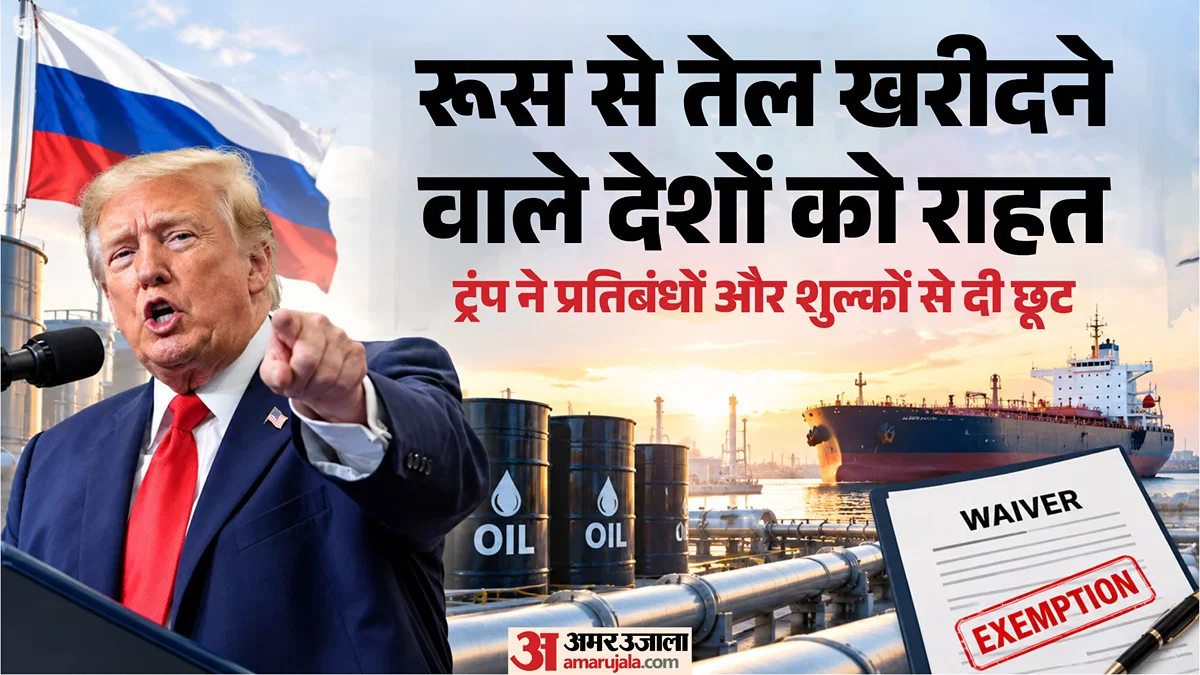
Table of Contents
Trump Waives Russia-Related Sanctions and Tariffs, Easing Immediate Pressure on India and China
Indianewslive247.com – प त न स ड ल क – US President Donald Trump has issued an executive order granting a waiver from sanctions, restrictions and duties linked to Russian and Iranian trade, removing an imminent threat of steep new tariffs for countries purchasing Russian oil and gas. The decision gives India and China significant short-term relief, just one day before the measures were due to take effect.
Trump said the waiver was justified by US national interests and confirmed that he had submitted the required certification to Congress. The action pauses provisions contained in the Lindsey O. Graham Sanctioning Russia and Iran Act of 2026, a law signed by Trump last month.
“I am hereby waiving the application of such sanctions, restrictions, and duties provided for in the Graham Act.”
The law’s Section 115 allows the president to suspend sanctions, restrictions or duties involving foreign persons if Congress receives a written national-interest certification and an explanation for the decision. Trump’s order invokes that authority at a moment when the administration’s posture toward Moscow appears to be shifting.
What the law had proposed
The legislation gave Trump 30 days to impose a 100 percent tariff on all imports from five major buyers of Russian crude oil: China, India, Slovakia, Hungary and Azerbaijan. It also envisaged sanctions against multiple Russian entities and a 500 percent tariff on all Russian energy products entering the United States.
That deadline was set to expire on October 18. By issuing the waiver on Friday evening, Trump stopped the measures from being applied immediately.
The law was named after Senator Lindsey Graham, a prominent supporter of Ukraine in the US Congress. Graham died in July this year, shortly after returning from a visit to Kyiv.
Why the move matters for India
For India, a 100 percent tariff would have represented a potentially serious escalation in trade pressure. It would have been added to the 10 percent US duty already imposed on Indian imports over allegations that India had not taken sufficient steps to prevent goods made with forced labour from entering the American market.
The actual effect on Indian exporters would have depended on the final tariff schedule and how specific product categories were treated. Even so, the prospect of a blanket 100 percent levy had raised the risk of substantially higher costs for Indian goods entering the United States.
Relations between New Delhi and Washington had already faced strain over India’s purchases of Russian crude. Last year, Trump imposed an additional 25 percent tariff on Indian imports over Russian oil purchases, on top of a separate 25 percent reciprocal tariff. The extra Russia-related tariff was removed in February 2026, while the reciprocal tariff was reduced to 18 percent under the India-US trade framework.
India has maintained that energy security remains central to its economic policy. After Congress passed the Russia sanctions bill last month, the Ministry of External Affairs said India would take all necessary steps to protect its trade and economic interests.
“India is fully committed to ensuring the energy security of its 1.4 billion people. It will continue to source energy from diverse suppliers and make decisions in line with changing market conditions.”
The waiver means India can continue assessing its energy purchases and export exposure without facing the law’s immediate 100 percent tariff threat. It does not, however, remove the broader uncertainty surrounding US trade policy or future action under the same legislation.
A broader shift in Trump’s approach to Russia
The executive order arrives amid signs of a softer public approach by Trump toward Russia. He has criticised Ukrainian President Volodymyr Zelenskyy in public and has suggested that Ukraine should choose a new leader.
Trump also announced an agreement with Russian President Vladimir Putin last week under which Russia will supply diesel to the United States. Russia is expected to send more than 300,000 tonnes of diesel immediately, with additional shipments planned in the coming months.
Zelenskyy strongly criticised the diesel arrangement, calling it an inappropriate and weak decision for US partners. He argued that Moscow was showing its gratitude for the deal through continued attacks on Ukraine.
The diesel agreement and the sanctions waiver together underline the practical implications of Trump’s changing position. Instead of allowing the new law to impose maximum pressure on countries buying Russian energy, the administration has temporarily chosen a national-interest exemption that preserves room for trade and diplomatic manoeuvring.
What comes next
The waiver prevents the sanctions and tariffs from being enforced for now, but it does not erase the authority created by the Graham Act. Trump retains the ability to revisit the decision, and Congress may continue to scrutinise the basis for the national-interest certification.
For India, China and other major buyers of Russian energy, the immediate concern has eased. Yet the episode shows how quickly energy purchases can become tied to tariff policy, geopolitical negotiations and wider commercial relations with Washington.
India’s focus is likely to remain on diversifying supplies while protecting domestic energy needs and export interests. The latest order offers breathing room, but businesses and policymakers will still need to watch for any future changes in the US approach to Russian oil, gas and related trade penalties.
Related Reading
Frequently Asked Questions
What is प त न स ड ल क?
प त न स ड ल क is the main topic of this guide. The article explains the context, practical details, and next steps readers should understand.
Why does प त न स ड ल क matter?
प त न स ड ल क matters because readers are looking for a useful answer, not just a short summary. Good content should match search intent and help them decide what to do next.