Exclusive Interview: Saqib Saleem on ‘Baby Do Die Do’ and Huma Qureshi’s Role
Exclusive interview with actor and producer Saqib Saleem reveals his thoughts on the upcoming film ‘Baby Do Die Do’ and the significance of casting his sister, Huma Qureshi, in the lead. Saleem discusses his career trajectory, the creative challenges of the project, and the dynamics of working with a family member. The interview highlights how his unique perspective as both a performer and a filmmaker influences the storytelling process.
Why Huma Qureshi Was Chosen for the Lead Role
Exclusive insights into the casting process show that Huma Qureshi’s decision to join the film was pivotal. Saleem explains,
“It wasn’t my choice to cast her. She herself picked this movie. The script came to me, and she urged me to read it. Honestly, she selected the film, so casting her wasn’t even necessary.”
He credits her dedication and natural talent for making her the perfect fit, emphasizing that her involvement was a result of her own passion for the role rather than familial obligation.
Conquering Nepotism Perceptions
Exclusive discussion about the nepotism tag reveals Saleem’s confidence in his sister’s abilities. He says,
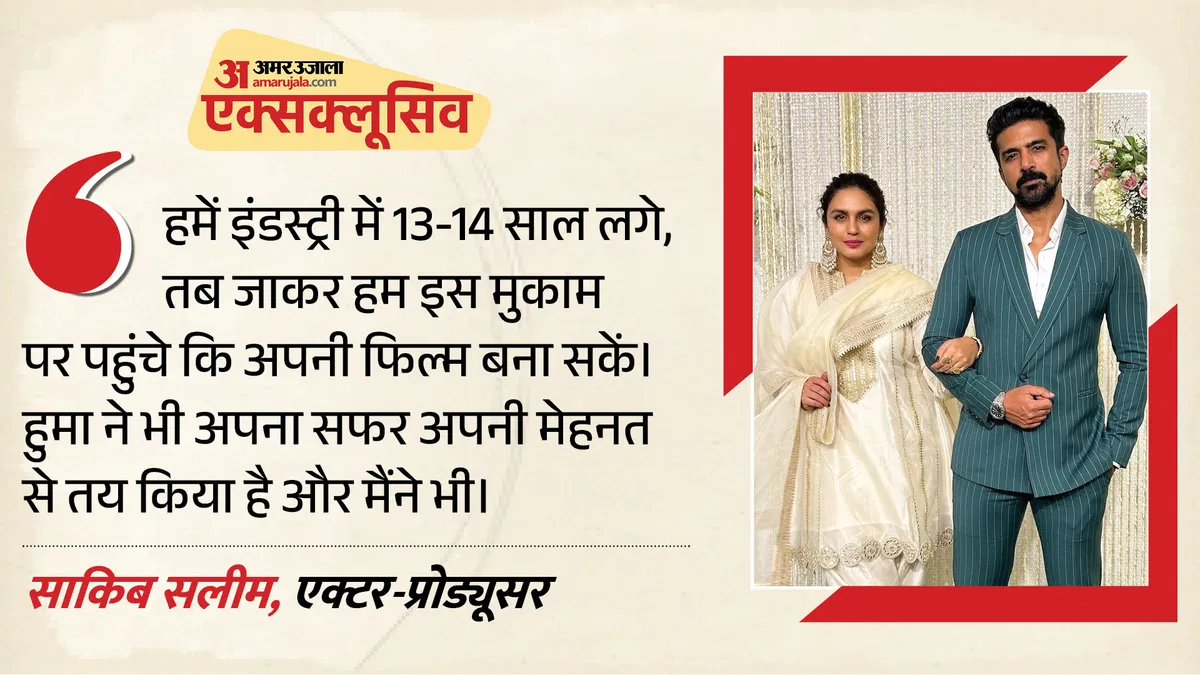
“We’ve been in the industry for 13-14 years. Only after that did we reach a stage where we could create our own films. Huma has also built her path through hard work, as has I.”
Saleem adds,
“People don’t really think about us that much. Who is even thinking about us?”
This highlights how their long-standing careers have allowed them to prove their worth independently of family ties.
Exclusive Producer Perspective: Challenges and Growth
Exclusive insights into Saleem’s transition from actor to producer offer a fresh perspective on the filmmaking journey. He notes,
“Every morning brings a new challenge—marketing, distribution, PR, branding, and media partnerships. When I was just an actor, I was almost unaware of this world. Now I understand how much effort it takes to bring a film to audiences.”
As a producer, Saleem stresses the importance of balancing artistic vision with commercial viability, especially for small-scale productions.
Exclusive Take on Risk in Independent Cinema
Exclusive reflections on the need for risk-taking in independent cinema are central to Saleem’s vision. He explains,
“Without risks, new cinema can’t emerge. We made this film without a big studio, and we believe in the story. Often, audiences say they want something fresh, but when unique films arrive, they struggle the most.”
Saleem argues that cinema must embrace diverse narratives, from conventional blockbusters to unconventional stories that challenge norms.
Exclusive Focus on Content Quality
Exclusive emphasis on content as the film’s cornerstone underscores Saleem’s philosophy. He states,
“For me, content is always the top priority. After all, it’s the story that connects with people. I want to create films where content is the strongest element.”
Additionally, Saleem comments on the rising costs of filmmaking,
“As a producer, I’ve seen how budgets have increased. It’s clear that reducing film expenses is crucial for better financial balance. This issue can’t be ignored.”
His insights highlight the delicate balance between artistic integrity and economic feasibility.
Exclusive Behind-the-Scenes of ‘Baby Do Die Do’
Exclusive details about the film’s production reveal the challenges of shooting in Mumbai. Saleem shares,
“We shot for nearly 40 days across 70+ locations in Mumbai. This city is not just a backdrop but a vital part of the narrative. We wanted to capture its true essence on screen.”
He also notes,
“Huma was more than just my sister—she was a professional actor. On set, she never let the sibling relationship affect her performance. She arrived on time and treated the role with utmost dedication.”
These exclusives shed light on the effort and creativity behind the film’s making, reinforcing its significance in the industry.