Manhole Tragedy in Mumbai Claims Another Life; BMC Officials Suspended
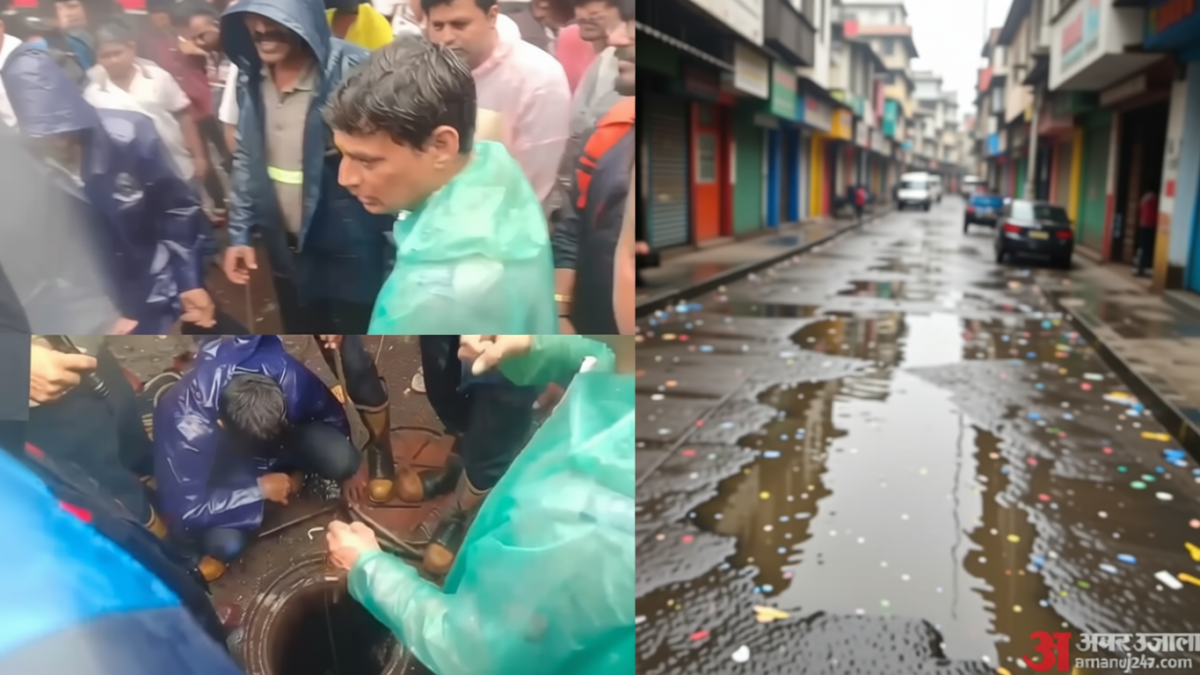
Manhole Tragedy – On July 2, 2026, a manhole tragedy once again shook Mumbai as a senior citizen fell into an open manhole near Sakinaka Police Station. The incident, which occurred on Khairani Road, has prompted immediate action from the police and fire brigade, with rescue operations still underway to recover the victim’s body. This tragic event has reignited concerns about the safety of public infrastructure in the city, particularly in areas with ongoing maintenance work.
Accident Details and Immediate Response
According to the latest reports, the accident happened when a 60-year-old man named Aslam Isak Shaikh, a resident of Yadav Nagar in Sakinaka, slipped into the manhole while walking. The manhole, which was being repaired for water drainage maintenance, had not been properly secured, leading to the fatal fall. Emergency services were alerted swiftly, and a coordinated effort between the police and fire brigade was launched to locate and extract the victim.
Despite the rapid response, the man’s condition deteriorated before he could be rescued, resulting in his death. The body was later retrieved, and authorities have begun their investigation into the circumstances surrounding the manhole tragedy. The incident has also raised questions about the adequacy of safety protocols for workers and pedestrians during infrastructure projects.
Investigation and BMC Accountability
Following the manhole tragedy, Mayor Rutu Tavade took swift action, suspending four BMC officials for their alleged negligence in ensuring the site was safe. The suspended officers are said to have been responsible for overseeing the maintenance work, which reportedly left the manhole unguarded. A formal inquiry is expected to determine whether the incident was a result of human error or systemic failures in the BMC’s safety measures.
Additionally, the deceased’s family was provided with a financial assistance package of 10 lakh rupees as part of the relief efforts. The BMC has also announced plans to inspect all manholes in the city and enhance safety standards to prevent similar accidents. Local representatives have called for stricter enforcement of safety protocols, citing this manhole tragedy as a wake-up call for the administration.
It is important to note that this is not the first manhole tragedy in Sakinaka. Earlier in the year, a child had died in a similar incident, drawing attention to the recurring risks associated with poorly maintained infrastructure. The state assembly has since debated the need for a comprehensive review of municipal safety guidelines, emphasizing the urgency of addressing such hazards.
Public Reaction and Safety Concerns
The manhole tragedy has sparked widespread public outrage, with residents demanding accountability from the BMC. Many have shared their frustrations on social media, calling the incident a “preventable disaster” and highlighting the lack of awareness about the dangers of open manholes. Local activists have also expressed disappointment, arguing that the city’s infrastructure projects should prioritize safety over speed.
Meanwhile, the fire brigade and police have been working tirelessly to recover the victim’s body, showcasing their dedication to rescue efforts. The manhole, located in a high-traffic area, remains a focal point for authorities as they assess the situation and plan for future improvements. Community leaders are urging the BMC to implement more visible safety measures, such as barriers, warning signs, and regular inspections, to mitigate the risk of similar incidents.
As the investigation continues, the manhole tragedy serves as a stark reminder of the vulnerabilities in Mumbai’s public infrastructure. With more than 10,000 manholes spread across the city, the BMC faces the challenge of ensuring all are maintained to the highest standards. The recent incident has also prompted discussions about the need for public education on how to navigate such hazards safely.
Broader Implications for Urban Safety
This manhole tragedy underscores the broader issue of urban safety in Mumbai. With the city’s rapid expansion and increasing population density, infrastructure projects must balance development with safety. The BMC has been criticized for its inconsistent approach to maintenance work, leaving critical sites exposed to risks.
Experts have pointed out that manholes are often overlooked in safety audits, despite their potential for causing severe injuries or fatalities. The recent incident highlights the need for a more proactive strategy, including the use of advanced safety technologies and increased public awareness campaigns. As the BMC investigates, the focus remains on preventing future manhole tragedies and ensuring that citizens can move through the city with confidence.
As the investigation into the manhole tragedy progresses, the Mumbai civic body faces mounting pressure to improve its safety measures. The incident has become a rallying point for discussions on urban infrastructure, with calls for stricter regulations and greater accountability. The family of Aslam Isak Shaikh, now mourning their loved one, hopes that this tragedy will lead to meaningful changes in the city’s approach to public safety.