Water Crisis: Nine States Including Punjab and Rajasthan Face Rapid Depletion of Water Reserves; Pressure Mounts in UP and Delhi
Indianewslive247.com – Water Crisis is escalating at an alarming rate across nine Indian states, including Punjab and Rajasthan, as groundwater levels continue to drop rapidly. Recent data from the National Groundwater Survey-2025 reveals a troubling trend in water resource management, with several regions experiencing critical depletion. This crisis has sparked urgent concerns about the sustainability of water supply, particularly in urban centers like Delhi and Uttar Pradesh, where demand is outpacing natural replenishment.
State-wise Analysis of Depletion
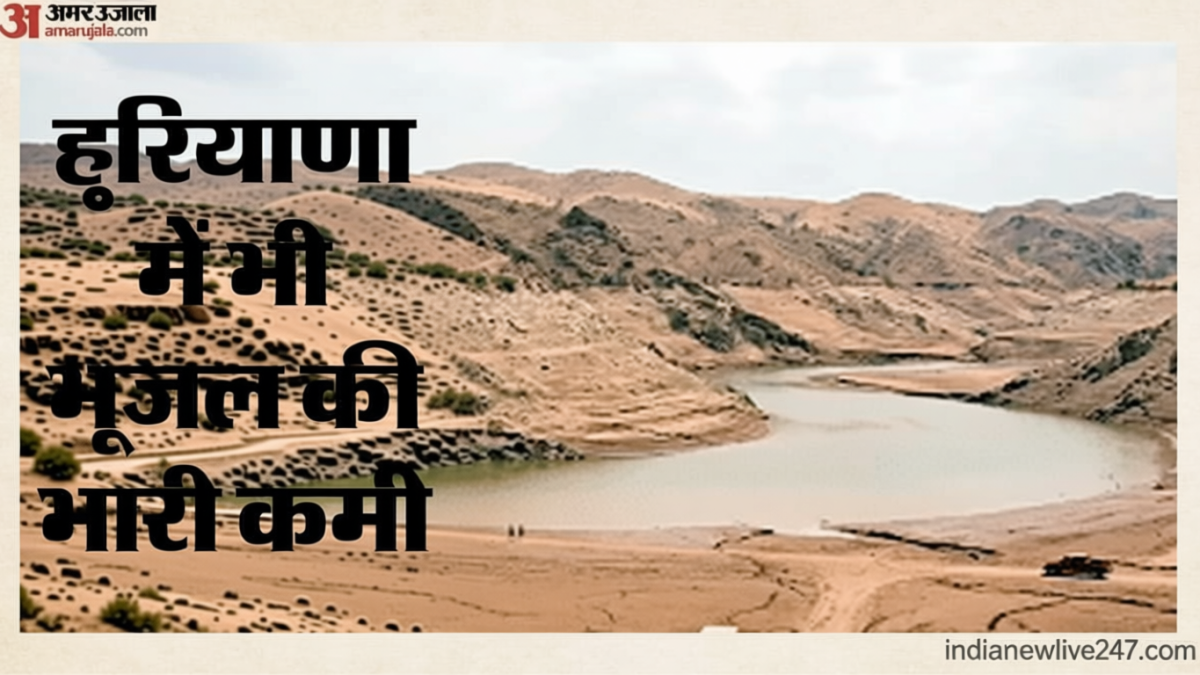
According to the National Groundwater Recharge Bureau (NGRBR), the situation varies significantly across states. In Punjab, 72.55% of the 153 assessed units fall under the overexploitation category, leaving only 11.11% in the safe zone. Rajasthan, known for its arid climate, shows a similar trend with 70.53% of its 302 units classified as overexploited. Haryana, too, is not spared, with 63.64% of its 143 units in the same category. These figures highlight the severity of the Water Crisis, which is exacerbated by intensive agricultural practices and industrial growth.
The rapid depletion of groundwater is not limited to rural areas. Urban centers, including Delhi, are also witnessing a steep decline. In Delhi, 29.41% of its 34 assessed units are under overexploitation, while 32.35% are at risk. This urban Water Crisis has led to increased demand for water, further straining existing resources. Experts warn that without immediate intervention, the depletion rate could accelerate, threatening both agricultural productivity and municipal water supplies.
Causes Behind the Water Crisis
Experts attribute the Water Crisis to a combination of factors, including over-extraction, erratic rainfall patterns, and inefficient irrigation methods. Punjab, a major agricultural hub, faces challenges due to its reliance on tube wells for farming. Meanwhile, Rajasthan’s arid landscape and limited rainfall contribute to the scarcity. In Uttar Pradesh, rapid urbanization and population growth have intensified the demand for water, pushing many areas into the overexploitation zone. The situation is compounded by climate change, which has disrupted traditional monsoon patterns and reduced water availability.
Government reports emphasize that the Water Crisis requires a multi-pronged approach. While some states have implemented water conservation measures, such as rainwater harvesting and drip irrigation, others lag behind. The NGRBR data underscores the need for stricter regulations on groundwater extraction and investment in sustainable water management practices. Without addressing these issues, the depletion of water reserves could reach critical levels, impacting millions of people and ecosystems.
“The Water Crisis is a ticking time bomb for India’s future,” said Dr. Anil Sharma, a hydrologist with the National Water Resources Institute. “We must prioritize recharge initiatives and reduce wastage to prevent irreversible damage to our groundwater systems.”
The expert’s warning aligns with the findings of the National Groundwater Survey, which highlights the urgency of action. States like Punjab and Rajasthan are at the forefront of the crisis, but the situation is also deteriorating in urban regions such as Delhi and Uttar Pradesh, where the demand for water is growing exponentially.